Understanding the materials and tools for making charcoal briquettes at home is useful for anyone interested in producing alternative fuel on a small scale. For a more detailed explanation of the preparation process, you can refer to the main article, Essential Materials and Tools for Making Charcoal Briquettes, which outlines the basic requirements and practical steps. Additional insights about home production, small business ideas, and resource utilization are also available on the homepage of butikkita.com, providing helpful references for beginners and hobbyists.
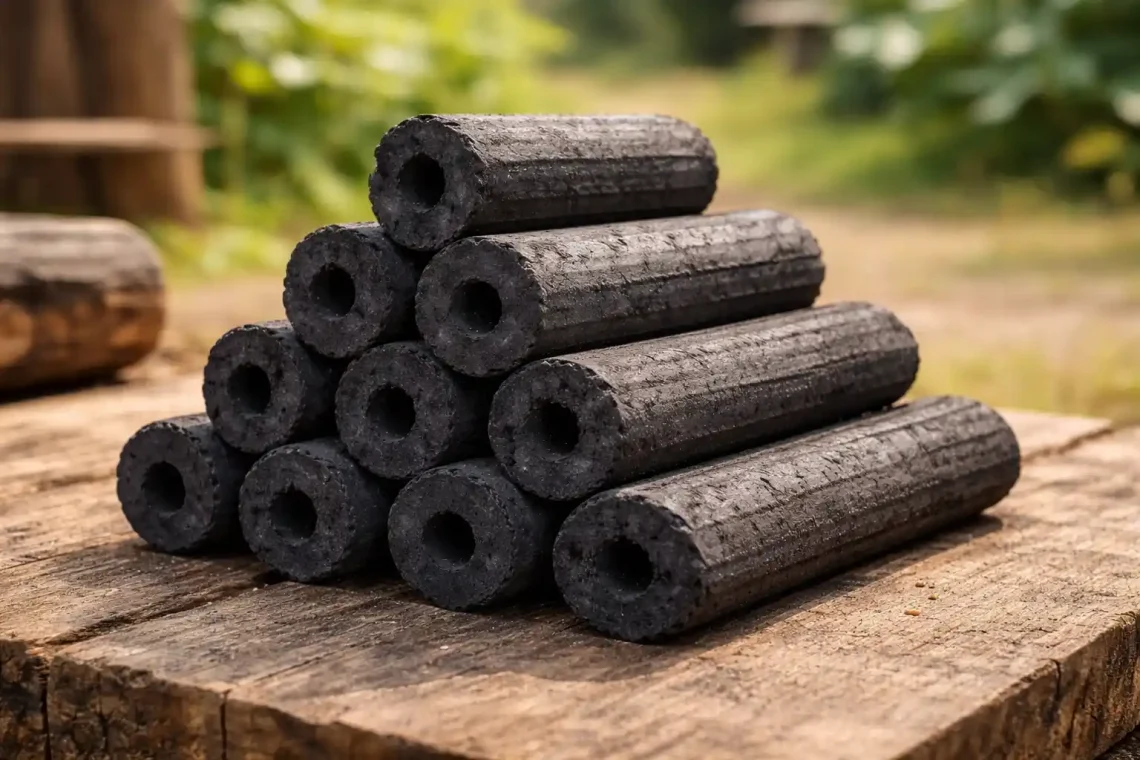
Charcoal briquettes can be produced at home using simple materials and accessible tools. This activity supports waste utilization and offers a practical way to create fuel for cooking or small-scale use. With proper preparation, homemade briquettes can burn efficiently and provide stable heat.
Basic Materials for Charcoal Briquettes
The primary material for making charcoal briquettes is charcoal powder. This powder can come from burned coconut shells, wood charcoal, or other biomass waste. Using clean and dry charcoal improves burning performance and reduces smoke.
Binders are also important in the production process. Natural binders such as starch or tapioca flour help hold the charcoal particles together. When mixed properly, the binder forms a compact structure that keeps the briquettes from breaking easily.
Water is another essential component. It helps combine the charcoal powder and binder into a workable mixture. The amount of water must be balanced to avoid overly wet or fragile briquettes.
Supporting Materials
Some home producers add agricultural waste such as sawdust or rice husks. These materials can improve briquette density and support sustainable waste management. Using locally available materials makes production more affordable and practical.
Natural additives may also be included to improve ignition and burning stability. However, they must be used in moderate amounts to maintain product quality.
Essential Tools for Home Production
Simple tools are sufficient for making charcoal briquettes at home. A grinding tool or mortar can be used to crush charcoal into fine powder. Uniform particle size helps produce stronger briquettes and more consistent heat.
A mixing container is needed to combine charcoal powder, binder, and water. This container allows producers to achieve an even mixture before shaping.
Molds are important for forming briquettes into specific shapes. Hand molds, small presses, or improvised containers can be used to create uniform briquettes. Consistent shapes help improve drying and storage.
A drying area is also required. Briquettes must dry under sunlight or in a well-ventilated space to remove moisture. Proper drying improves ignition and prevents smoke during combustion.
Safety and Preparation
Basic safety equipment such as gloves and masks can help protect users from charcoal dust. Clean working surfaces also support better production results. Organized preparation ensures the process runs smoothly and efficiently.
Practical Benefits of Home Production
Making charcoal briquettes at home encourages resource efficiency and reduces waste. It can also lower fuel costs for households and small food businesses. With simple materials and tools, individuals can create an alternative energy source for daily use.
Conclusion
The materials and tools for making charcoal briquettes at home include charcoal powder, natural binders, water, simple molds, and drying space. Each component plays a role in creating briquettes that burn steadily and efficiently. With proper preparation and consistent methods, home production can provide a practical, affordable, and sustainable fuel solution.