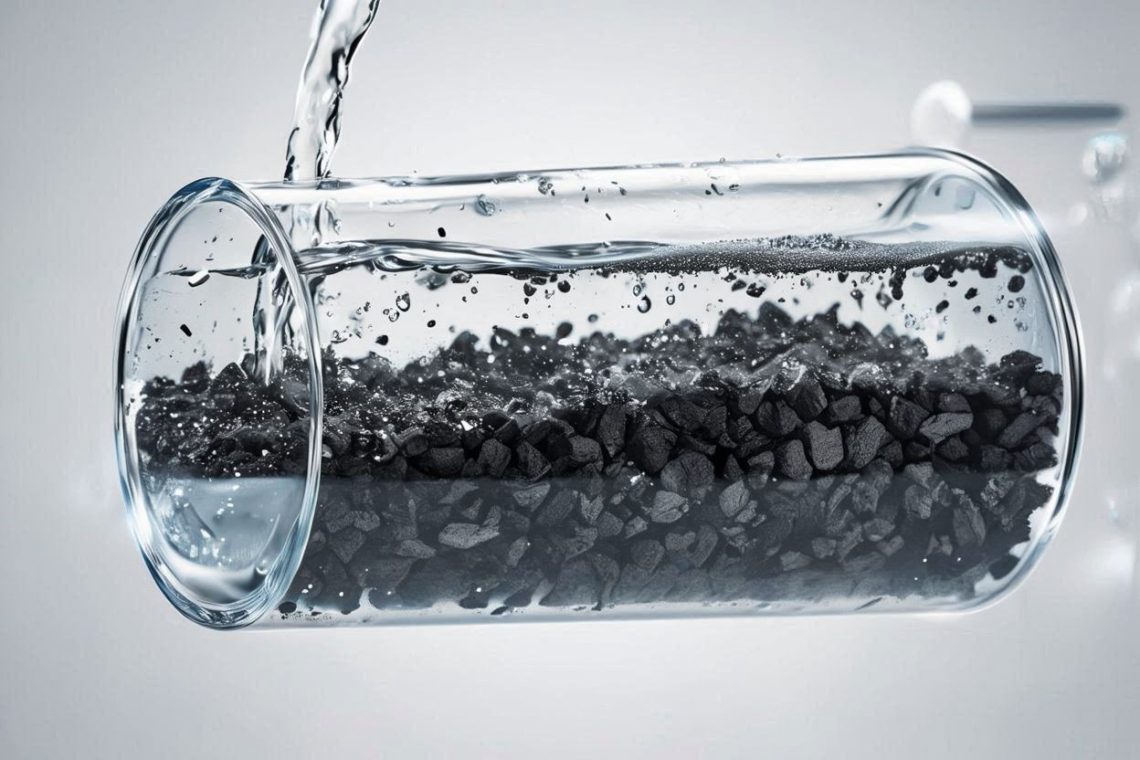
Activated coconut shell charcoal for filtration has become a preferred material for modern purification systems due to its high adsorption capacity and sustainable origin. As industries and households seek cleaner water and air, filtration media made from coconut shells provide reliable and eco friendly performance across multiple applications.
Moreover, manufacturers activate coconut shell charcoal through controlled processes that enhance its porous structure. Therefore, this material effectively removes impurities, odors, and harmful substances from water, air, and industrial fluids while maintaining long term filtration stability.
Why Activated Coconut Shell Charcoal Is Ideal for Filtration
Activated charcoal derived from coconut shells offers a unique pore structure dominated by micropores. As a result, it efficiently captures contaminants such as chlorine, organic compounds, volatile substances, and residual chemicals commonly found in water and air systems.
In addition, coconut shell based charcoal has lower ash content compared to coal or wood based alternatives. Consequently, filtration systems maintain cleaner output, reduced residue buildup, and longer operational life with minimal maintenance requirements.
Because of its natural hardness, this charcoal also resists breakdown during prolonged filtration use. Therefore, pressure drop remains stable, and filtration efficiency stays consistent even under continuous operation.
Activation Process and Filtration Performance
The activation process plays a critical role in filtration efficiency. First, producers carbonize coconut shells under controlled temperatures to create a stable carbon structure. Next, they activate the charcoal using steam or chemical methods to open millions of micro pores.
As a result, the surface area increases significantly, allowing the material to adsorb pollutants at a molecular level. Therefore, activated coconut shell charcoal for filtration performs effectively in both residential and industrial purification systems.
Furthermore, precise activation control ensures consistent quality across filtration batches. This consistency helps filtration system designers achieve predictable performance and reliable contaminant removal.
Applications of Activated Coconut Shell Charcoal for Filtration
This filtration material supports a wide range of applications across different industries. For example, water treatment facilities use it to remove chlorine, color, taste, and unpleasant odors from drinking water.
Additionally, air purification systems rely on activated charcoal to absorb harmful gases, smoke particles, and airborne pollutants. Because of its efficiency, many industries choose products derived from activated coconut shell charcoal for critical filtration needs.
In food and beverage processing, filtration systems also benefit from its neutral taste, chemical stability, and safe performance. As a result, product quality remains uncompromised throughout production.
Environmental Advantages of Coconut Shell Based Filtration Media
Sustainability remains a key advantage of coconut shell charcoal. By utilizing agricultural waste, producers reduce landfill accumulation and minimize reliance on hardwood resources.
Moreover, coconut shell charcoal regenerates efficiently, allowing reuse in multiple filtration cycles. Therefore, filtration operations become more cost effective while reducing environmental impact.
As environmental standards become stricter worldwide, industries increasingly adopt renewable filtration materials that support long term sustainability goals.
Quality Standards and Filtration Consistency
Reliable filtration requires strict quality control throughout production. For this reason, manufacturers test iodine value, moisture level, hardness, and particle size distribution.
Consequently, filtration systems deliver consistent performance under varying flow rates, pressure conditions, and contaminant loads.
Quality focused production also ensures compliance with international water and air treatment regulations, which strengthens trust between suppliers and end users.
Conclusion
Activated coconut shell charcoal for filtration provides an effective, sustainable, and high performance solution for modern purification systems. Through advanced activation processes, strong adsorption capacity, and strict quality control, this material supports clean water and air across multiple industries.
For further insights into activated charcoal products and filtration solutions, visit the official homepage of JD Gurukul.