Activated coconut shell charcoal is widely recognized as a high performance material for filtration and purification systems. As global industries increasingly demand clean, efficient, and environmentally responsible solutions, coconut based activated charcoal continues to gain strong market trust.
Instead of relying on hardwood, producers use coconut shells as renewable raw materials. Consequently, this approach supports sustainable manufacturing while delivering excellent adsorption performance for various industrial needs.
Understanding Coconut Shell Based Activated Charcoal
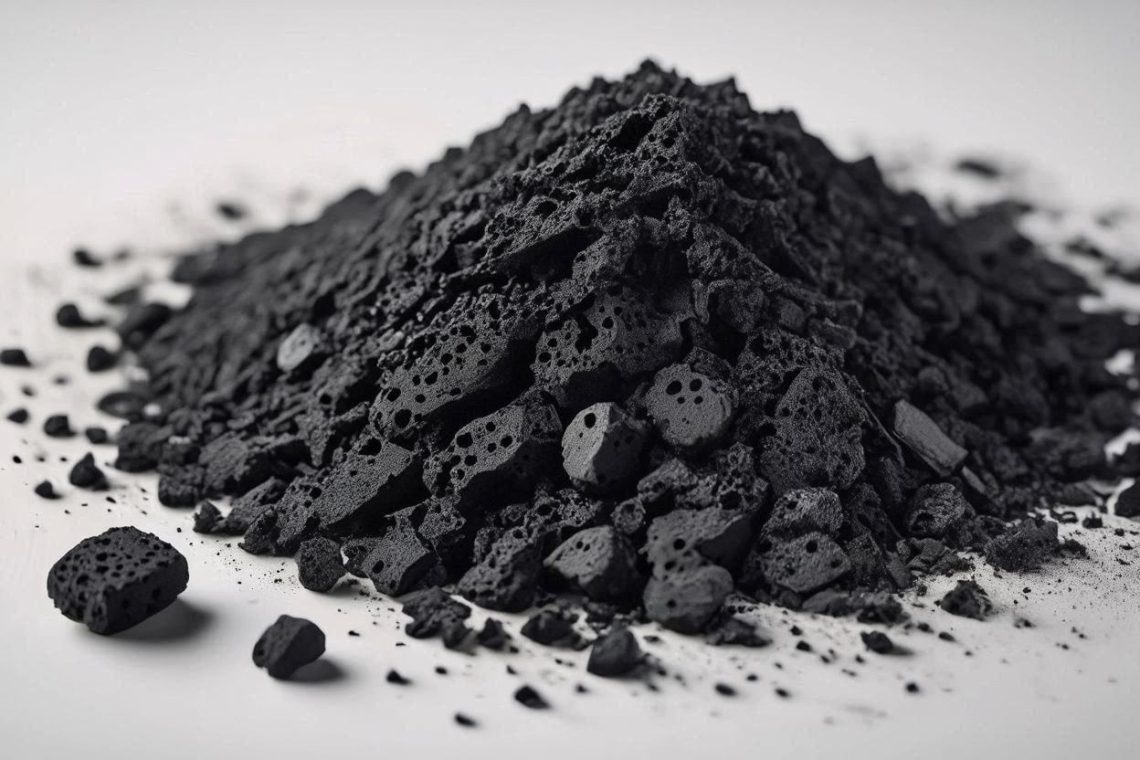
This material is produced through a controlled activation process that creates millions of microscopic pores on the charcoal surface. These pores significantly increase surface area, allowing impurities to be captured efficiently.
Because coconut shells naturally contain high carbon content, the resulting charcoal offers superior hardness and durability. Therefore, many industries prefer coconut shell based products for long term operational stability.
In addition, low ash content makes this material suitable for sensitive purification environments.
Production Process and Activation Methods
The process begins with selecting mature coconut shells from agricultural waste. First, manufacturers carbonize the shells under controlled temperature and limited oxygen conditions.
Next, producers activate the charcoal using steam or specialized activation techniques. As a result, the pore structure expands and enhances adsorption capacity.
Because precise control is essential, operators monitor temperature and activation time carefully. Consequently, the final product meets consistent quality standards.
Performance Characteristics and Advantages
Charcoal derived from coconut shells offers strong adsorption efficiency, high iodine value, and excellent mechanical strength.
Moreover, this material produces minimal dust and resists abrasion during use. As a result, it performs reliably in continuous filtration systems.
Additionally, its neutral taste and odor support applications in food, beverage, and drinking water treatment.
Industrial and Commercial Applications
Industries utilize coconut shell based activated charcoal across multiple sectors. Common applications include water purification, air filtration, gas absorption, and wastewater treatment.
Furthermore, manufacturers apply it in food processing, pharmaceutical production, gold recovery, and chemical purification.
Because of its consistent quality, many buyers source related products from specialists in Coconut shell charcoal for premium industrial performance.
Environmental Benefits and Sustainability
Sustainability represents a major advantage of coconut shell derived materials. By converting agricultural waste into valuable products, producers reduce landfill disposal and environmental pollution.
Additionally, coconut palms regenerate continuously, ensuring long term raw material availability. Therefore, this solution aligns well with circular economy principles.
As environmental regulations become stricter, industries increasingly adopt coconut based activated charcoal as an eco friendly alternative.
Quality Control and Supply Reliability
Manufacturers apply strict quality control throughout production. They test moisture levels, ash content, particle size, and adsorption capacity before shipment.
Furthermore, suppliers package products carefully to preserve quality during storage and transportation.
For reliable sourcing and consistent specifications, buyers often work with experienced producers that understand international standards.
Conclusion
Activated coconut shell charcoal provides an effective, sustainable, and high quality solution for modern filtration and purification needs. Through controlled production and strict quality assurance, manufacturers deliver materials trusted across global industries.
As sustainability and performance continue to shape industrial demand, coconut shell based activated charcoal remains a key material supporting cleaner and more efficient operations worldwide.
To learn more about coconut based charcoal solutions, visit the official homepage of Indo Briquettes Charcoal.