Hookah enthusiasts increasingly value convenience without sacrificing performance or overall smoking quality during their sessions. Ignition speed plays an important role in preparation efficiency and user satisfaction. Light charcoal for hookah has become popular due to faster startup times. Modern consumers prefer charcoal options that balance practicality and stable heat output. Understanding these features helps buyers choose reliable products confidently.
What Is Light Charcoal for Hookah?
Understanding the Technology Behind It
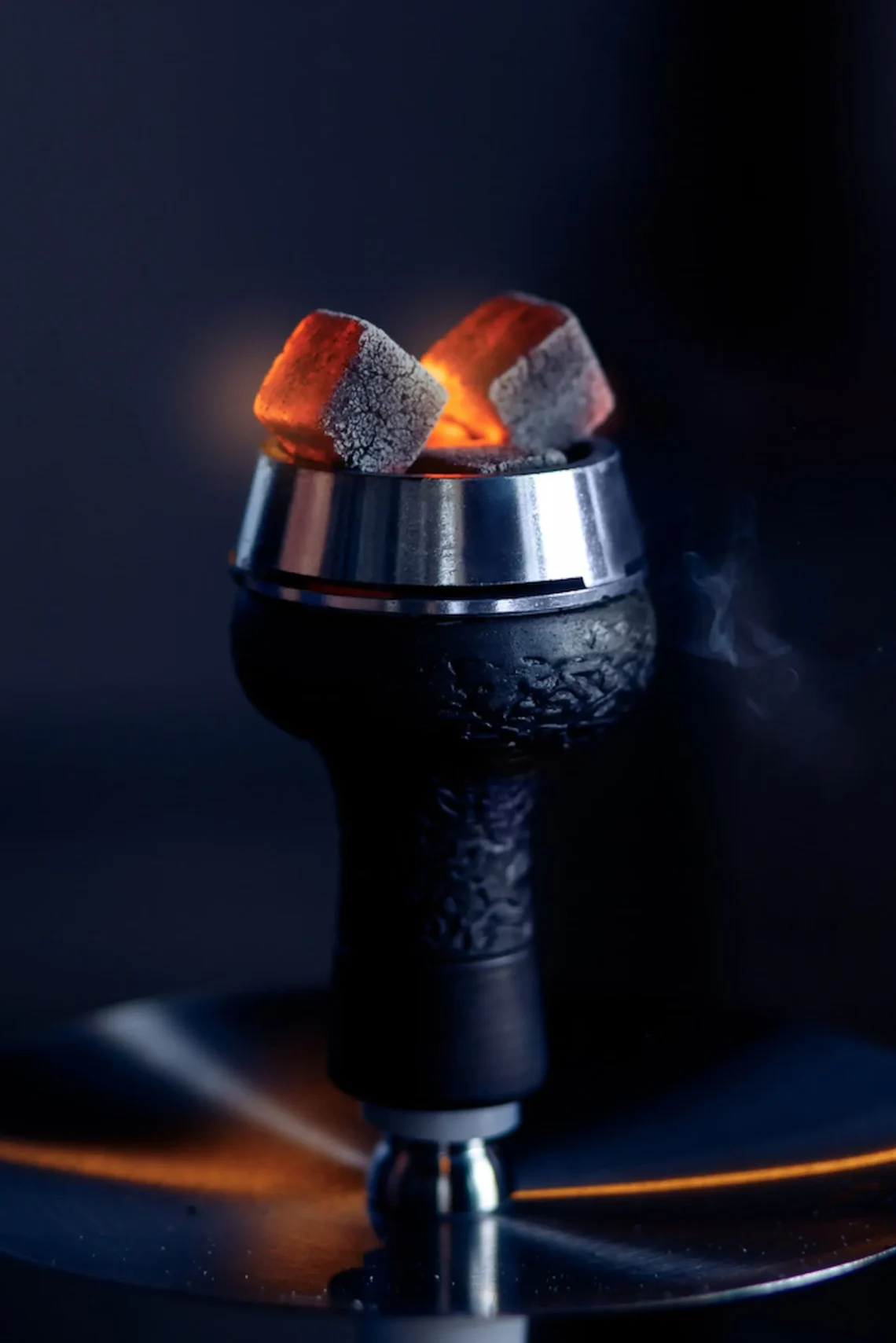
This type of charcoal is designed for faster and easier ignition. Some variants include ignition accelerants to simplify the lighting process. Other natural versions use compressed materials for efficient heat absorption.
Both options help reduce preparation time before smoking begins.
How It Improves Convenience
Quick ignition minimizes waiting time and improves overall session comfort. Users can prepare their hookah without complicated heating equipment. This practicality makes it suitable for casual and professional environments. Faster setup also supports lounges serving multiple customers efficiently.
Types of Light Charcoal for Hookah in the Market
Quick Light Charcoal Options
Quick light charcoal ignites easily using a standard lighter or match. A thin ignition coating helps flames spread evenly across the surface. This option suits beginners seeking practical and immediate results. Users should still consider possible odor during initial ignition.
Natural Charcoal Alternatives
Natural variants often use compressed coconut shell material. Although requiring a burner, they heat faster than traditional cubes. They burn cleaner and produce less noticeable odor during use. Many experienced smokers prefer this balanced and reliable choice.
Key Features to Look for in Light Charcoal for Hookah
Consistent Heat Output
Stable temperature ensures even heating of shisha tobacco during sessions. Uneven heat can create harsh smoke and alter flavor quality. High density charcoal delivers better heat stability and control.
Low Odor and Minimal Smoke During Ignition
Quality light charcoal for hookah minimizes strong chemical smells. Excessive ignition smoke often signals poor manufacturing standards. Cleaner ignition preserves authentic tobacco flavor and comfort.
Durable Shape and Low Ash Production
Strong structure prevents charcoal from breaking during handling. Low ash levels maintain proper airflow inside the bowl. Minimal residue simplifies cleaning and reflects better production quality.
Light Charcoal for Hookah and Export Quality Standards
Export quality light charcoal for hookah must meet strict production guidelines. Manufacturers often implement controlled carbonization to ensure consistent performance. International buyers evaluate density, moisture levels, and packaging standards carefully. These factors influence decisions about which charcoal is best for hookah. High export standards typically result in cleaner combustion and safer usage. Proper packaging protects products during long distance global shipments.
Why Global Buyers Prefer Premium Charcoal Products
Bulk purchasers focus on dependable performance and steady long term supply availability. Stable heat performance ensures satisfaction across diverse international markets. Compliance with safety regulations strengthens trust between suppliers and distributors. Premium products enhance reputation within competitive global hookah industries.
Comparing Light Charcoal for Hookah with Traditional Options
Efficiency and Heat Management
Light charcoal for hookah generally ignites faster than traditional varieties. Traditional charcoal may burn longer but requires extended heating preparation. Users should balance efficiency with desired session duration preferences.
Each option serves different consumer needs and expectations.
Health and Safety Considerations
Natural compositions usually produce fewer unwanted combustion byproducts. Chemical accelerants may release additional fumes during ignition stages. Choosing high quality materials reduces unnecessary exposure risks. Responsible selection supports safer and more enjoyable sessions.