Which charcoal is better for hookah sessions is a common question among users who want consistent performance and better smoking experience. Since charcoal directly affects heat control, airflow, and flavor, selecting the right type becomes essential.
In general, different charcoal types offer different advantages. Therefore, understanding their characteristics helps users determine which one suits their needs.
To explore more about charcoal performance, you can visit low ash charcoal vs regular charcoal for hookah and access more information at evilmutant.com.
Main Types of Charcoal for Hookah
First of all, users should understand the main charcoal types available in the market. Each type offers different levels of performance and convenience.
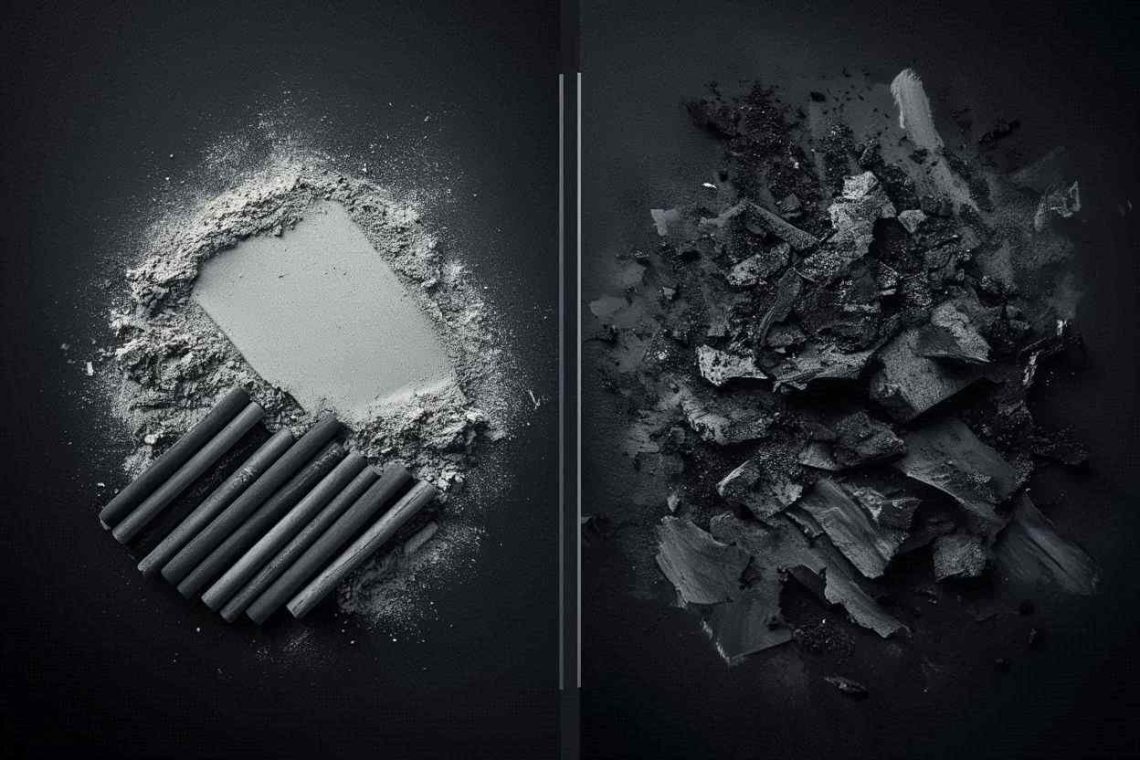
Coconut charcoal is widely used for its stable heat and low ash production. Therefore, it is considered the best option for high-quality sessions.
Quick light charcoal is designed for instant ignition, making it suitable for quick and simple use. However, it contains additives that affect performance.
Wood charcoal provides basic functionality but lacks consistency compared to coconut charcoal.
- Coconut charcoal for premium performance
- Quick light charcoal for convenience
- Wood charcoal for basic use
Key Factors to Determine the Best Charcoal
Next, several factors should be considered when deciding which charcoal is better for hookah sessions. These factors directly impact session quality.
1. Heat Stability
To begin with, stable heat is essential for maintaining consistent temperature. Therefore, charcoal that burns evenly provides better results.
Coconut charcoal performs best in this aspect due to its dense structure.
2. Ash Production
Furthermore, low ash charcoal helps maintain airflow and reduces maintenance during sessions.
High ash charcoal creates buildup that disrupts heat distribution.
3. Burning Duration
Additionally, longer burning charcoal allows extended sessions without frequent replacement.
Coconut charcoal typically lasts longer compared to other types.
4. Clean Burning
Equally important, clean burning charcoal does not produce strong odors or chemical smoke.
This ensures better flavor quality and smoother sessions.
Performance Comparison
In practice, coconut charcoal consistently provides the best performance across all factors. It offers stable heat, low ash, and longer burning duration.
Quick light charcoal, while convenient, produces inconsistent heat and may affect flavor due to chemical additives.
Wood charcoal provides moderate performance but lacks reliability for long sessions.
Common Mistakes When Choosing Charcoal
However, many users choose charcoal based only on price or availability. As a result, they may experience poor performance.
In addition, ignoring ash level and burn duration can lead to unstable sessions and frequent interruptions.
Therefore, focusing on performance factors is more effective than choosing based on cost alone.
- Choosing based on price only
- Ignoring ash level
- Not testing burn duration
- Overlooking heat stability
Best Choice for Different Needs
Finally, the best charcoal depends on usage needs. Coconut charcoal is ideal for users who prioritize quality and consistency.
Quick light charcoal is suitable for fast setup and occasional use, although it sacrifices performance.
Wood charcoal may be used for basic purposes but is not recommended for high-quality sessions.
- Coconut charcoal for premium sessions
- Quick light for convenience
- Wood charcoal for basic use
Conclusion
In conclusion, which charcoal is better for hookah sessions depends on performance requirements and user preferences. However, coconut charcoal stands out as the best option due to its stability, low ash, and clean burning.
By choosing the right charcoal, users can improve session quality, maintain better heat control, and achieve more consistent results.