The global charcoal market continues expanding across hospitality and retail industries worldwide. International buyers increasingly compare products before choosing long term supply partners. Understanding hookah charcoal vs bbq charcoal helps importers align specifications with market demand. Each product serves different industries with distinct performance expectations. This comparison clarifies functional, technical, and commercial differences for export buyers.
What Is Hookah Charcoal?
Hookah charcoal is specially manufactured for shisha and lounge consumption markets. Most premium products use compressed coconut shell charcoal as raw material. The material creates stable heat without affecting tobacco flavor quality. High density compression ensures longer burning time and consistent temperature output. Quality hookah charcoal produces minimal ash and very low smoke emissions. Cube sizes commonly measure twenty five or twenty six millimeters. Middle Eastern and European markets demand uniform shape and premium packaging. Export grade hookah charcoal focuses on cleanliness, durability, and performance consistency.
What Is BBQ Charcoal?
BBQ charcoal is designed primarily for cooking and grilling applications. It can be produced as briquettes or natural lump charcoal. Raw materials include coconut shell, hardwood, or blended biomass sources. BBQ charcoal generates stronger heat suitable for meat searing. Restaurants prefer products with quick ignition and high temperature stability. Ash tolerance levels are generally higher compared to hookah charcoal. Packaging often emphasizes volume efficiency for supermarket distribution channels. Food safety compliance remains essential for international culinary markets.
Hookah Charcoal vs BBQ Charcoal
Raw materials significantly influence performance characteristics and end user satisfaction. Hookah charcoal typically uses refined coconut shell with higher carbon purity. BBQ charcoal may combine hardwood and other organic materials. Heat profiles also vary depending on product application requirements. Hookah charcoal provides steady moderate heat over longer durations. BBQ charcoal delivers intense heat suitable for grilling proteins quickly.
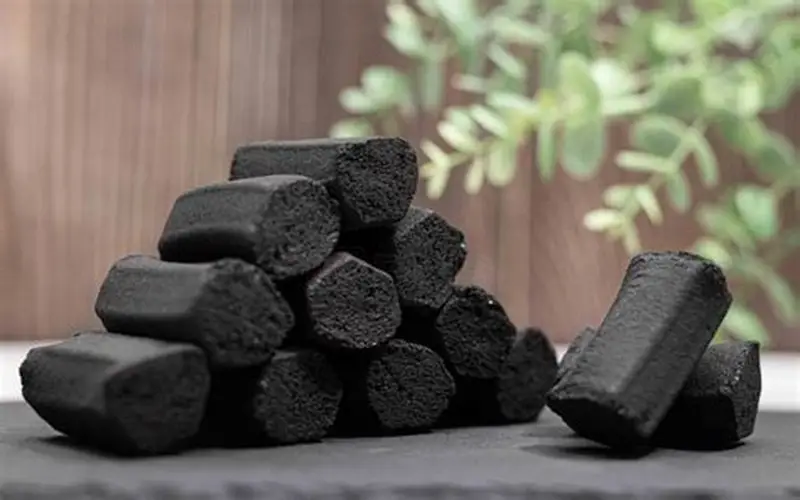
Ash production becomes another differentiating technical factor. Hookah charcoal maintains low ash percentages for cleaner sessions. BBQ charcoal tolerates higher residue due to cooking environments. Shape and density further separate both categories clearly. Hookah charcoal features uniform cubes with high compression strength. BBQ charcoal appears in pillow shapes, hexagonal sticks, or irregular lumps. Target markets ultimately define production standards and quality expectations.
Export Perspective Choosing the Right Product
Importers must evaluate destination market demand before placing bulk orders. Understanding hookah bbq charcoal specifications ensures correct container optimization and cost efficiency. Hookah charcoal often targets premium shisha distributors and lounge suppliers. BBQ charcoal suits supermarkets, restaurants, and catering wholesalers. Private labeling opportunities differ based on branding strategy and pricing structure. Export documentation must match international compliance and packaging regulations. Consistent moisture control protects product integrity during long sea shipments.
Which Charcoal Is More Profitable for Importers?
Profitability depends on positioning, margins, and repeat purchase cycles. Hookah charcoal usually offers higher margins in premium retail segments. Stable demand from lounges encourages predictable recurring container orders. BBQ charcoal moves larger volumes during seasonal grilling periods. Competitive pricing drives bulk supermarket and restaurant contracts. Market research determines which product delivers stronger long term returns.